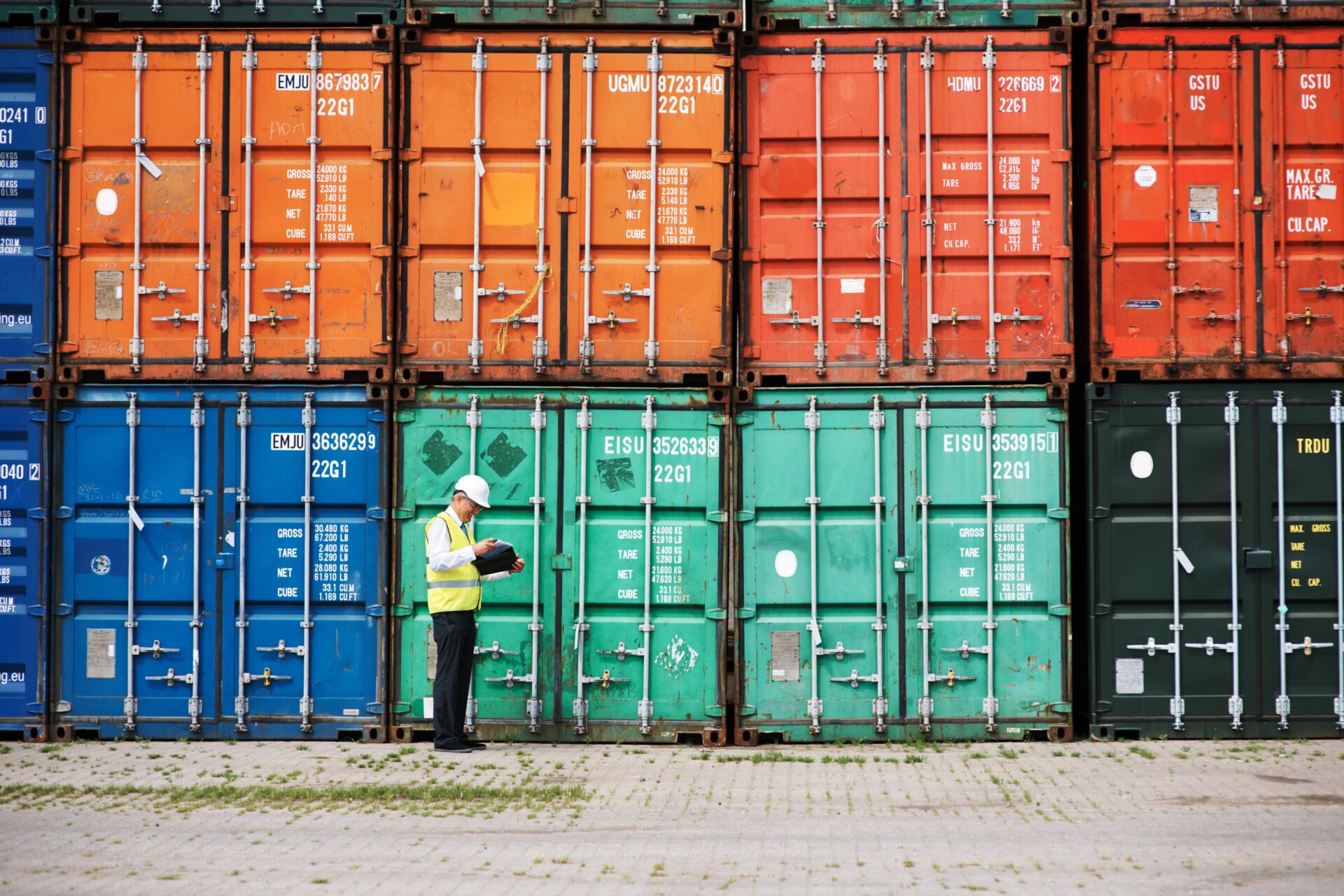
International shipments are vulnerable to a number of potential issues, but among the most significant and frustrating are customs delays. It’s a tale as old as time in the supply chain world: An international electronics shipment gets stuck in customs due to incomplete documentation. Despite meeting all of the usual requirements, a sudden regulatory change now requires an additional certification that the shipper wasn’t aware of. As a result, the shipment is delayed for weeks, causing missed delivery deadlines, lost time on the retail floor, and financial losses due to storage fees.
While remaining up to date on customs requirements can be a complex process, it doesn’t have to be so complicated that delays become inevitable. An effective logistics partner that has the experience and expertise needed to avoid delays and ensure compliance can provide peace of mind for international shippers by offering strategies and best practices for success. In this blog, we’ll explore five key tips to help keep your international freight moving while avoiding the hurdles and financial burdens associated with customs delays.
1. Ensure Accurate and Complete Documentation
- Why It Matters: Different countries have different requirements that must be met when importing and exporting international cargo, and customs officials rely on having the right documentation in place to process shipments. Missing or inaccurate information prevents authorities from being able to assess duties, verify compliance, and facilitate the smooth flow of goods, which can result in delays and fines.
- Common Mistakes: Common documentation errors — such as incorrect Harmonized System (HS) codes, vague or inaccurate product descriptions, misdeclared values, incomplete information, or inconsistencies across documents — can all cause delays at customs and may even lead to penalties or complete rejection of a shipment.
- Actionable Advice: To avoid documentation errors, companies can maintain an updated checklist of all customs requirements for the different countries involved in their freight transport. Make sure to include all required documents for each shipment type and double-check all entries. Working with a trusted shipping partner can also provide a sense of security by ensuring that nothing is inadvertently overlooked.
2. Plan Ahead for Duties, Taxes, and Fees
- Explanation: For shipments that arrive at the border that are not considered express consignment, taxes and fees generally must be paid before the shipment can be cleared, so it is important to ensure these are planned for in advance. Any unpaid or miscalculated duties, taxes, and fees will likely result in the shipment being delayed until the fees are paid.
- Proactive Solutions: Understanding the costs associated with clearing customs for the countries included in a shipper’s supply chain and ensuring these are planned for ahead of time can help avoid unnecessary delays.
- Actionable Advice: To prevent delays associated with duties, taxes, or fees, it’s important to confirm that all applicable fees are calculated and paid upfront — before the shipment ever arrives at the port. A proactive shipping partner can also help shippers understand and manage those fees while ensuring they are paid before the shipment arrives. They may also offer Delivered Duty Paid (DDP) options to reduce risk.
3. Leverage Customs Preclearance Where Available
- Why Preclearance Helps: Customs Preclearance allows shipments to be reviewed, processed, and cleared by customs officials while they’re still in transit, reducing wait times upon arrival at the destination.
- How It Works: Available in the U.S., Ireland, Canada, UAE, Aruba, Bermuda, and the Bahamas, preclearance allows importers to submit necessary documentation to customs before the shipment arrives at a port of entry, allowing officials to review and often preapprove the shipment to streamline movement of the goods upon arrival.
- Actionable Advice: Reviewing preclearance options can help to expedite the customs process and prevent any potential delays. An experienced logistics partner can also help shippers navigate the requirements and plan ahead for maximum efficiency.
4. Understand and Comply With Country-Specific Regulations
- Different Countries Have Unique Requirements: Different import/export rules will apply based on the destination country, and failing to meet these country-specific requirements can lead to unexpected delays and penalties.
- Common Compliance Issues: Restricted items, labeling requirements, import allowances, or mandatory inspections tend to vary by country, making it critical for shippers to understand the unique requirements for all of the destination countries for their shipments.
- Actionable Advice: Consulting with experts to understand the international regulations of each destination country and maintaining a checklist for teams to review can help to prevent unexpected delays and keep goods flowing seamlessly. A logistics partner with extensive country-specific experience and knowledge can also be beneficial in anticipating issues before they emerge so that shippers can avoid them.
5. Work With a Trusted Customs Brokerage Partner
- Why a Broker Matters: Customs brokers have deep understanding of international shipping requirements and can handle the entire customs process, helping to avoid delays related to documentation, duties, compliance, and any other potential issues that may arise.
- Proactive Solutions: Customs brokerage services provide a comprehensive approach to clearing shipments smoothly, acting as an intermediary between the shipper and customs officials. Because of their in-depth knowledge of the unique requirements of all countries, they can help to facilitate smooth operations while identifying potential issues before they become problematic.
- Actionable Advice: Working with an experienced partner can help shippers streamline the customs process and avoid unnecessary holdups that could result in delays or financial losses.
International shipping involves a number of complexities, and when it comes to maintaining compliance, working with an experienced partner can mean the difference between costly delays and a seamless supply chain.
Click here to learn about the international shipping services offered by EFW and how they can remove the guesswork around evolving customs requirements.