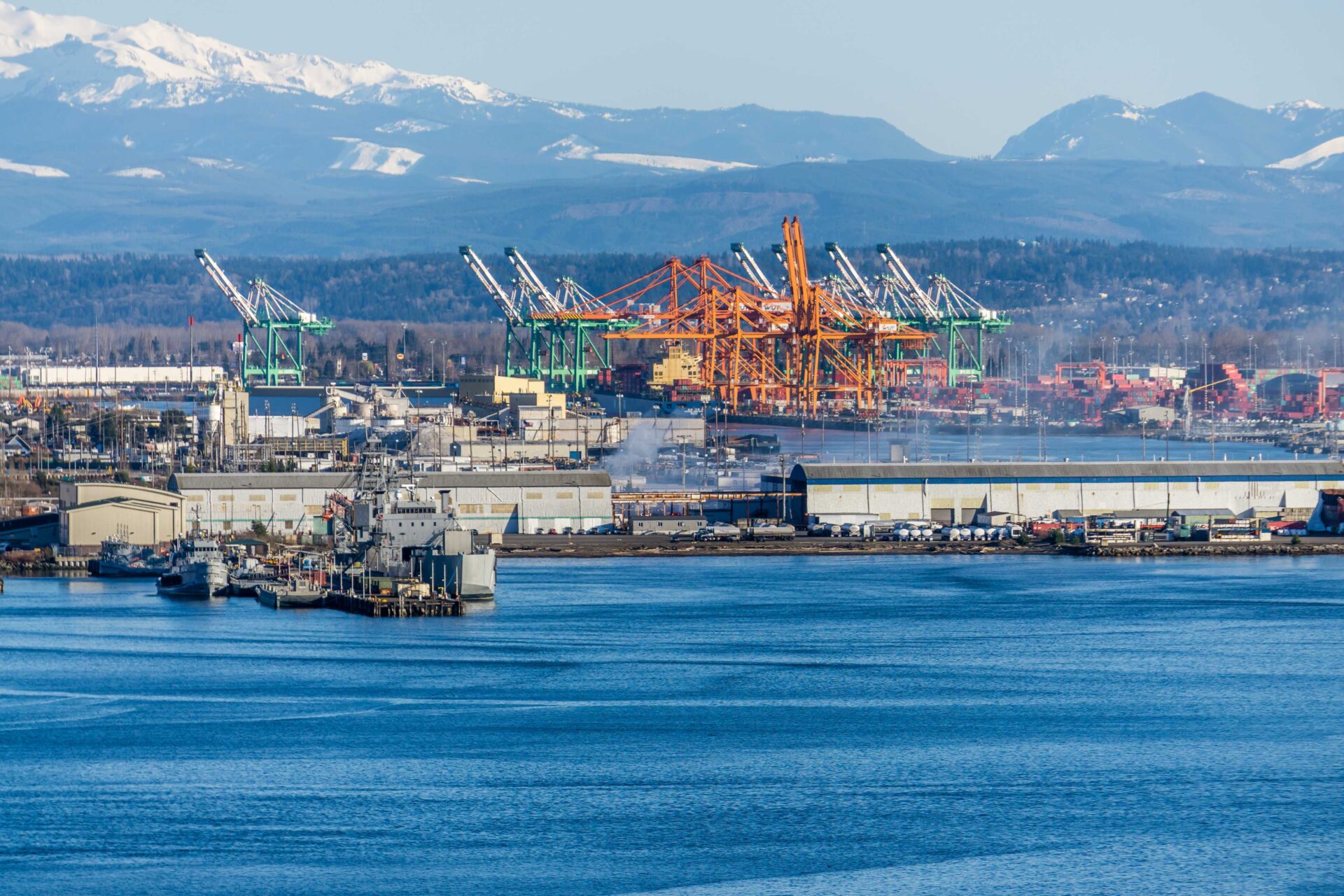
The headlines suggest that supply chain bottlenecks are largely behind us. Port congestion has eased, vessel backlogs are a thing of the past, and ocean rates have normalized. Compared to the peak disruption years of 2021 and 2022, the system looks stable. But operators know stability and fluidity are not the same thing.
In 2026, supply chain friction hasn’t disappeared but shifted. Dramatic images of dozens of anchored container ships off LA and Long Beach may be gone, but delays continue to surface across drayage networks — partly due to construction — warehouses, inland rail hubs, and the final mile. The pressure points are less visible, more distributed, and often harder to diagnose. For shippers, that makes them more dangerous.
Ports: Faster But Not Frictionless
Major ports have improved vessel turn times and terminal productivity. Containers are moving off ships more efficiently, and berth availability is far more predictable than it was several years ago. That progress is real.
However, improved flow does not eliminate constraints. Labor availability can fluctuate without much notice. Ocean carrier schedules remain inconsistent, with blank sailings and compressed arrival windows creating sudden volume surges. Equipment imbalances persist when import-heavy markets struggle to efficiently reposition empties.
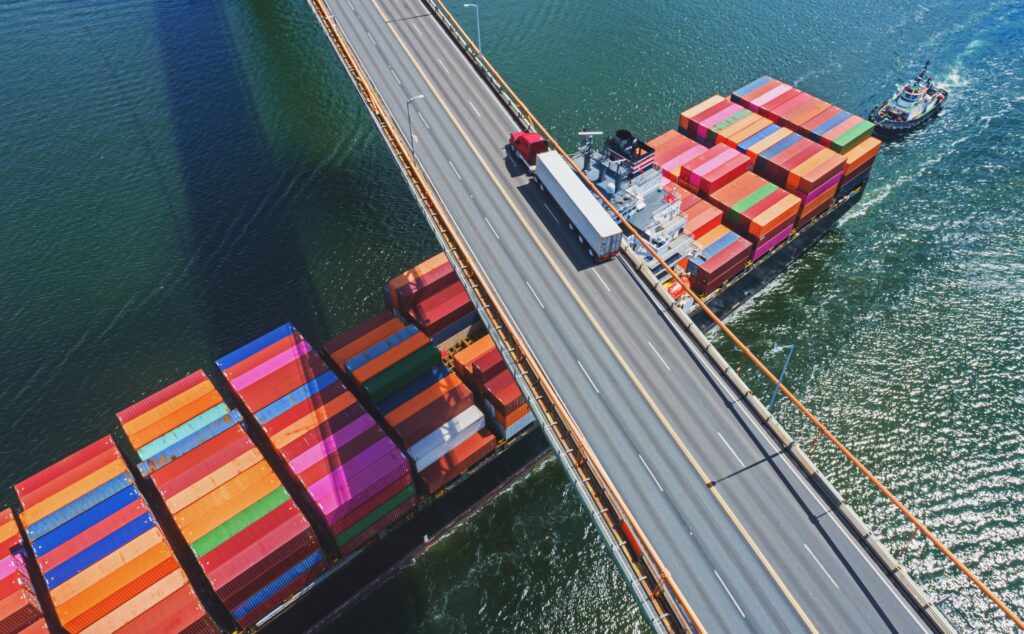
When multiple vessels discharge in tight succession, yard congestion builds quickly. Trucks queue longer, appointment systems fill up, and containers become harder to retrieve. The bottleneck may not be visible from the water, but it forms just beyond the gate. Port expertise and advanced coordination remain critical because the risk today lies in timing compression, not total gridlock.
Drayage: The First Hidden Choke Point
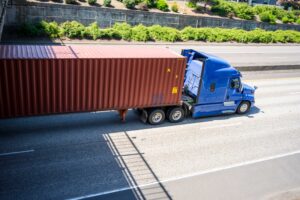
Once freight leaves the terminal, drayage becomes the first major handoff, and it’s often the first place where delays compound. Appointment systems can restrict flexibility, particularly during peak periods. A missed pickup window may push retrieval back days. Chassis availability remains uneven in certain regions, especially during seasonal surges. Containers may technically be available, yet inaccessible due to yard stacking configurations or terminal congestion.
When drayage coordination falters, the consequences ripple downstream. Warehouses miss receiving windows. Cross-dock operations struggle to re-sequence freight. Inventory intended for time-sensitive programs arrives late. Demurrage and detention charges accumulate quickly.
In 2026, the issue is rarely a lack of trucks. Instead, it is a misalignment between port availability, truck scheduling, warehouse capacity, and inland routing. Without tight coordination, minor delays escalate into larger supply chain bottlenecks.
Warehousing: Space Doesn’t Equal Readiness
Warehouse vacancy rates suggest capacity exists in many markets. But physical space is only part of the equation. Operational readiness depends on labor, dock scheduling, material handling capacity, and throughput discipline. When inbound freight arrives in uneven waves, often driven by compressed port discharge schedules, facilities experience sudden strain. Even well-run operations can become congested when multiple inbound loads arrive outside their planned sequence.
Cross-dock environments are particularly sensitive. If freight intended for rapid transfer arrives late or out of order, rehandling increases. Labor plans must shift in real time. Outbound commitments tighten.
Real-time inventory visibility has become essential, not just for tracking shipments but for managing timing. Knowing precisely what is arriving and when allows facilities to allocate labor and dock space effectively. Without that clarity, warehousing becomes reactive, and small inefficiencies compound.
Inland Transportation: The Quiet Delay
Beyond the warehouse, intermodal and regional transportation introduce another layer of variability. Rail dwell times fluctuate based on network conditions, weather events, and equipment positioning. Inland ports can become congested when local distribution capacity lags behind import volumes. Meanwhile, regional truckload capacity tightens when demand spikes, even as national capacity appears balanced.
These inland delays rarely make headlines, yet they can quietly extend transit times by days. When inland planning begins only after cargo clears the port, flexibility disappears. Rail reservations, drayage scheduling, and warehouse appointments must be aligned early to prevent slowdowns hundreds of miles from the coast. The most resilient supply chains treat inland transportation as a continuation of port strategy, not a separate phase.
The Final Mile: Where Delays Become Visible
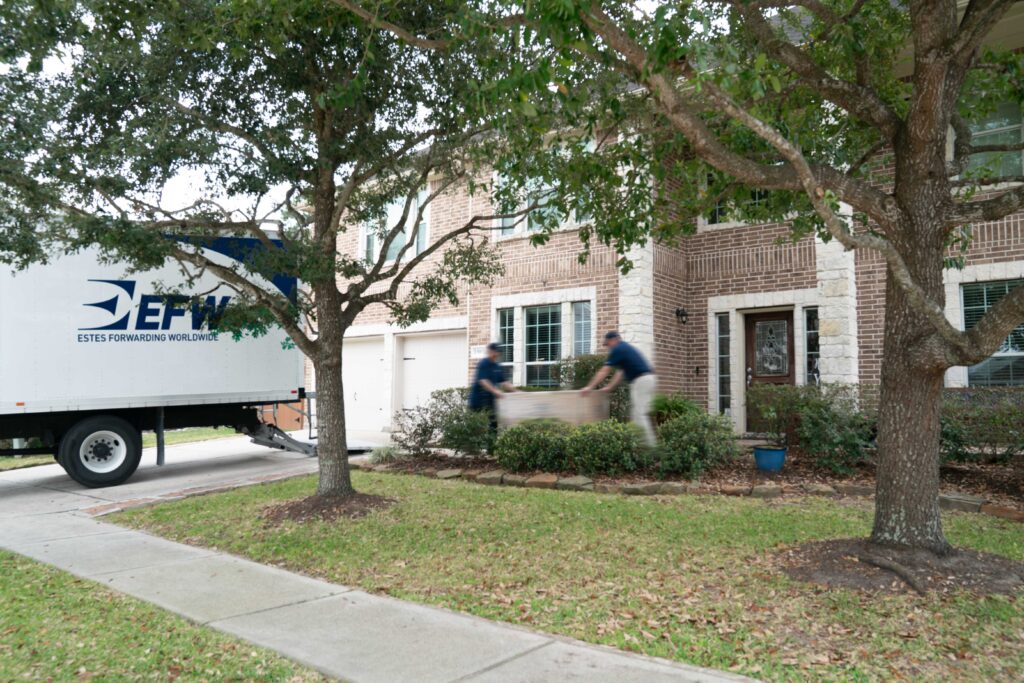
All upstream friction eventually surfaces in the final mile, where delays translate directly into customer impact. Residential delivery networks face limited appointment windows, route density challenges, and narrow delivery tolerances. When inbound freight arrives late, routing compresses and service levels decline. The cost of failure increases as rescheduling, redelivery, and customer service interventions multiply.
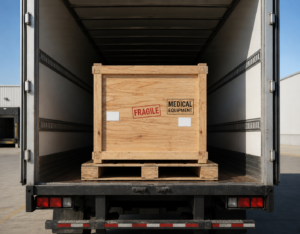
Complex deliveries add another dimension. White-glove, medical, and high-value shipments require specialized crews and coordinated timing. A missed upstream connection can disrupt a tightly choreographed delivery window, damaging customer experience and brand reputation. The final mile does not create most supply chain bottlenecks, but exposes them.
Reducing Friction Across the Journey
Forward-thinking logistics partners recognize that eliminating bottlenecks requires proactive management across every handoff. End-to-end visibility is foundational, but visibility alone does not solve delays. What matters is how quickly exceptions are identified and addressed before they cascade.
Coordinated scheduling among ports, drayage providers, warehouses, rail operators, and final-mile carriers reduces timing mismatches. Contingency routing strategies and flexible capacity planning create buffers against regional disruptions. Exception management processes prevent small deviations from turning into systemic slowdowns.
Bottlenecks Don’t Disappear — They Move
In 2026, supply chain bottlenecks are more nuanced than in previous years’ crises, but they remain very real. They form in compressed discharge windows, misaligned drayage appointments, overwhelmed docks, rail dwell time spikes, and final-mile delivery constraints.
Success depends on managing the entire journey, not isolated segments. Continuous monitoring, coordinated execution, and disciplined planning across modes are what prevent friction from escalating.
The supply chain may look calmer from the outside. Within the operation, resilience still requires vigilance from the port to the final mile.