Peak season puts e-commerce operations under intense pressure. Order volumes spike, fulfillment centers run at full capacity, and transportation networks are stretched to their limits. But when promotional periods end and order activity begins to normalize, the work doesn’t stop, it changes.
Post-peak season logistics introduces a new set of challenges. Instead of managing surges, retailers must shift toward stabilization, recovery, and optimization. The focus moves from speed at all costs to consistency, efficiency, and service reliability. And while internal teams may finally catch their breath, customer expectations remain as high as ever. In this phase, strong e-commerce logistics matters just as much as flawless peak execution.
The Post-Peak Reality for E-Commerce
Once peak demand subsides, e-commerce fulfillment operations often face lingering effects. Backlogs in picking, packing, and shipping don’t always disappear overnight. Inbound inventory continues to arrive based on things like “just-in-case” ordering above forecast, late sailings, and planning for post-peak promotions and gift card redemption. And outbound volumes settle into a new rhythm of lower demand.
At the same time, transportation networks must rebalance. Capacity that was tight during peak may loosen, but routing, carrier availability, and delivery performance still require close management. Most importantly, customers who experienced fast delivery during peak season don’t adjust their expectations downward. Maintaining service levels after the rush is critical to protecting brand loyalty and keeping the e-commerce supply chain running smoothly.
Inventory Rebalancing and Warehousing Support
Post-peak is often when inventory imbalances become most visible. Excess stock may be concentrated in certain facilities, while other regions experience shortages or slower fulfillment times. Rebalancing inventory efficiently is essential to controlling costs and improving delivery performance.
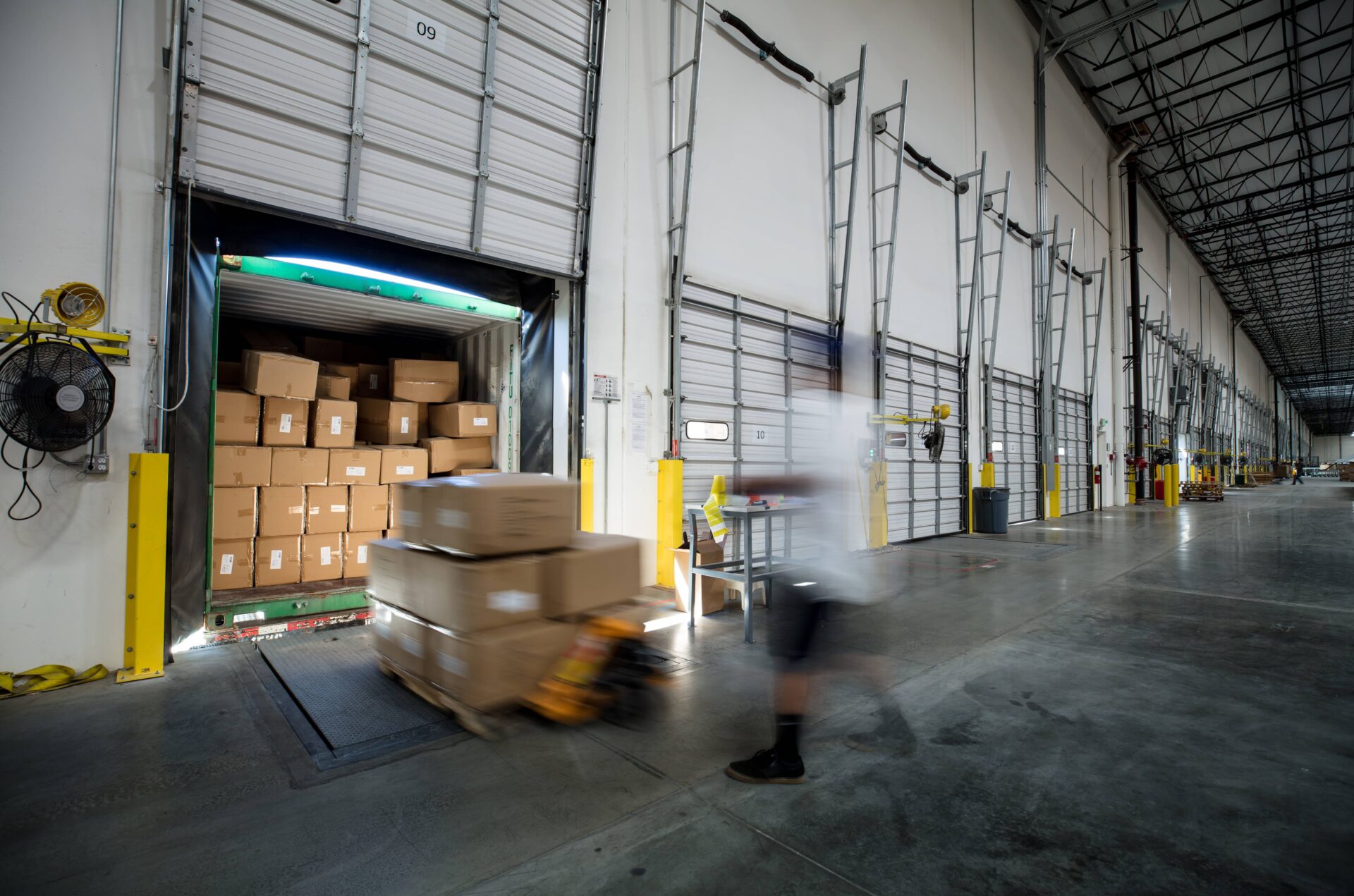
Flexible warehousing plays a central role in post-peak season logistics. The ability to manage overflow, reallocate inventory, and adjust storage strategies allows retailers to align inventory placement with actual demand. Rather than being locked into peak-only capacity, adaptable warehousing solutions support more efficient e-commerce fulfillment throughout the year.
Fulfillment and Last-Mile Continuity
As volumes stabilize, consistency becomes the priority. Reliable fulfillment and last-mile delivery are just as important after peak season as they are during it. Any drop in performance such as missed delivery windows, incomplete orders, or service disruptions can quickly erode customer trust.
Residential delivery and white-glove services remain especially important in e-commerce, particularly for oversized, high-value, or specialized products. Maintaining these capabilities post-peak ensures a seamless customer experience, even as order volumes fluctuate. Strong e-commerce logistics focuses not only on speed, but on dependable execution at every stage.
Reverse Logistics and Returns Management
For many e-commerce businesses, the post-peak period brings a surge in returns. Holiday shopping, promotional buying, and gift purchases all contribute to higher return volumes once peak ends. Without efficient reverse logistics processes, returns can overwhelm warehouses and tie up inventory.
Effective returns management speeds up inspection, restocking, refurbishment, and redistribution. When handled well, reverse logistics becomes an asset rather than a liability. Faster return-to-inventory cycles improve availability, reduce waste, and support healthier margins across the e-commerce supply chain.
Flexibility as a Long-Term Strategy
One of the biggest lessons of post-peak season logistics is that e-commerce operations cannot be designed solely around peak demand. Overbuilding for short-term surges can create inefficiencies and excess costs during the rest of the year.
Scalable warehousing, transportation, and labor strategies allow businesses to stay agile without overcommitting resources. Flexibility ensures retailers can adapt to changing order patterns, respond to unexpected demand shifts, and prepare for the next surge without sacrificing operational efficiency during quieter periods. In modern e-commerce logistics, flexibility is a long-term competitive advantage.
How EFW Supports E-Commerce Beyond the Rush
Estes Forwarding Worldwide (EFW) is a leading provider of high-touch, door-to-door logistics and freight forwarding solutions. EFW supports e-commerce operations well beyond peak season by delivering integrated warehousing, e-commerce fulfillment, and transportation solutions designed for year-round performance. Rather than treating peak and post-peak as separate challenges, EFW helps businesses manage continuity across the entire e-commerce supply chain.
With real-time visibility, proactive coordination, and tailored solutions, EFW enables retailers to rebalance inventory, maintain fulfillment performance, and streamline reverse logistics as demand shifts. The result is smoother post-peak operations and greater readiness for future growth.
Keeping E-Commerce Moving Year-Round
Peak season may be temporary, but customer expectations are not. Strong post-rush logistics protects service levels, brand reputation, and long-term revenue. By focusing on stabilization, recovery, and optimization after the rush, e-commerce businesses can sustain momentum well beyond peak periods.
With a strong track record of providing results-driven transportation and supply chain solutions to major companies across industries, EFW has the team, technology, and experience to help you make a smooth transition to post-peak operations. Get in touch today to learn more.