
Congratulations! Your company is seeing strong growth, no small feat in a difficult economy. Orders are pouring in, and suddenly you find yourself overwhelmed with picking, packing, shipping, and managing your inventory. And you’re quickly outstripping your internal resources and expertise.
This is when you turn to an experienced third-party logistics (3PL) warehouse provider. But how does the selection process work? A lot is riding on finding the right partner to help manage your warehouse operations. The wrong choice could lead to inbound and outbound delays, added costs, and poorly managed inventory, acting as a drag on your growth and damaging customer satisfaction.
What are the key considerations for making this strategic decision that will impact the future of your business? Here are eight essential factors to evaluate before choosing a 3PL warehouse provider.
Warehousing Capabilities
Every 3PL is different, and not all will meet your operational needs. Begin by evaluating storage capacity, facility layout, climate controls, and security protocols. If your products require specialized handling such as cold storage, hazardous materials, or high-value security, ensure that the 3PL can accommodate those requirements.
Take a good look at its facility network. Are its hubs located close enough to transportation infrastructure (highway, rail, air, ocean)? Will it be able to service your time-in-transit needs and customer promise, based on location and proximity to demand centers?
Also consider whether the 3PL warehouse provider offers value-added services such as kitting and assembly, repackaging, labeling, and returns management. Depending on your business, some or all of these services will be critical capabilities.
International Logistics Expertise
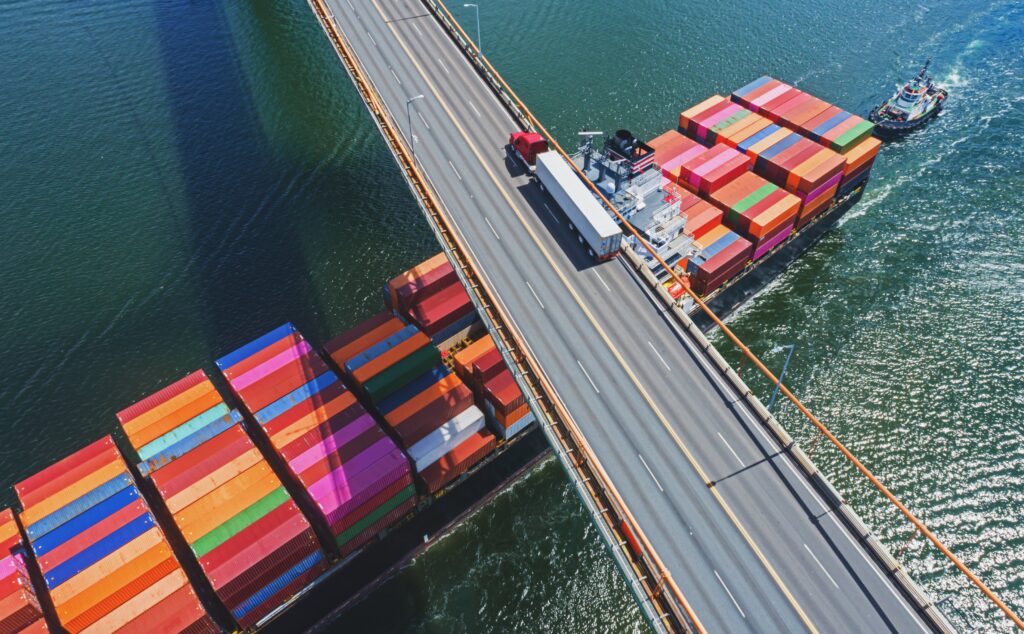
If your business operates across borders, you’ll need a 3PL partner with proven international logistics expertise. Look for one with a global distribution network, strong carrier relationships, and the ability to support multimodal transportation (air, ocean, truck freight) as well as expedited service.
Equally important is experience managing cross-border complexities such as import/export regulations, duty optimization, and freight consolidation. The right partner will ensure your global shipments flow smoothly, helping you avoid customs delays and regulatory missteps.
Integration with Customs and Trade Compliance
A reputable 3PL warehouse provider should offer reliable customs brokerage services and have deep knowledge of trade regulations, documentation requirements, tariff classifications, and free trade agreements.
Missteps in this area can be costly both in terms of penalties and shipment delays. A provider with a solid compliance track record can reduce your risk exposure and enhance your ability to operate internationally with confidence.
FTZ and Bonded Warehouse Services
If you’re importing goods from overseas and want to defer or avoid duties and taxes, especially in the middle of a trade war, foreign-trade zones (FTZ) and bonded warehouses are excellent options.
An FTZ is a designated area within or adjacent to a port of entry where imported goods can be stored, go through light assembly, and be exported without being subject to duties and taxes. If the products are sold domestically, duties and taxes are deferred until shipment. There are nearly 200 FTZs in the U.S.
Similarly, bonded warehouses allow importers to store goods “in bond” and defer duties up to five years, offering companies a flexible, efficient way to manage inventory and cash flow.
Technology and Inventory Visibility
Technology is a critical differentiator. Make sure the 3PL uses a modern warehouse management system (WMS) capable of real-time inventory tracking and order status updates. These days, cloud capabilities are a must.
In addition, seamless integration with your ERP or OMS via EDI, API, or other digital interfaces is essential for automation and efficiency. Strong tech capabilities also enable proactive issue resolution, demand forecasting, and more informed strategic decisions.
Flexibility and Scalability
Your business needs today may look very different in six months or next year. A capable 3PL warehouse provider must offer both flexibility and scalability. Whether you’re entering peak season, launching a new product line, or expanding to new markets, your logistics partner should be able to adjust operations quickly to meet changing needs.
This includes the ability to ramp up staffing, expand storage, or adjust service levels with minimal disruption. Avoid providers that can’t pivot quickly.
Cost Structure and Transparency
While cost is a key factor in any business decision, choosing a 3PL warehouse provider based on price alone can backfire. Look beyond the base rate to examine fee transparency, billing practices, and contract flexibility. Are there hidden fees for accessorials or minimum volume penalties?
Ensure that the pricing model aligns with your business cycle and offers room to grow without sudden cost increases. A good provider will be upfront about all charges and offer a fair rate structure that supports long-term value, not just short-term savings.
Service Level Agreements (SLAs) and Performance Metrics
A successful 3PL partnership depends on clear expectations and accountability. Well-defined SLAs covering order accuracy, inventory accuracy, on-time shipping, and dock-to-stock times are essential. But metrics alone aren’t enough. There should be regular performance reviews, reporting dashboards, and open communication to ensure continuous improvement.
When evaluating providers, ask for KPI benchmarks and client case studies that demonstrate proven performance.
Choose a 3PL That Can Grow With You
Finding the right 3PL warehouse provider isn’t just about outsourcing logistics — it’s a strategic investment in your company’s future. As your business scales, the demands on warehousing and fulfillment grow more complex. The right partner doesn’t just keep you moving; they help you exceed customer expectations, manage supply chain risk, and unlock growth.
That’s why so many businesses trust Estes Forwarding Worldwide (EFW). With decades of experience, advanced technology, and a customer-first approach, we deliver integrated logistics solutions that give you visibility, flexibility, and peace of mind. From simplifying Incoterms for international shipments to ensuring reliable fulfillment across town, EFW makes logistics a growth driver — not a headache.
Whether you’re looking to streamline operations or expand into new markets, EFW is ready to help you move smarter.
Let’s start building your future supply chain today — experience the EFW difference by contacting us today!