Update 10/4: A tentative deal between the International Longshoremen’s Association and the U.S. Maritime Alliance ended a brief strike at East and Gulf Coast ports. The agreement includes a 61% wage increase over six years and extends the master contract to January 2025. Work to resume today, Friday 4 October, easing supply chain concerns.
East Coast & Gulf Ports Strike Impact
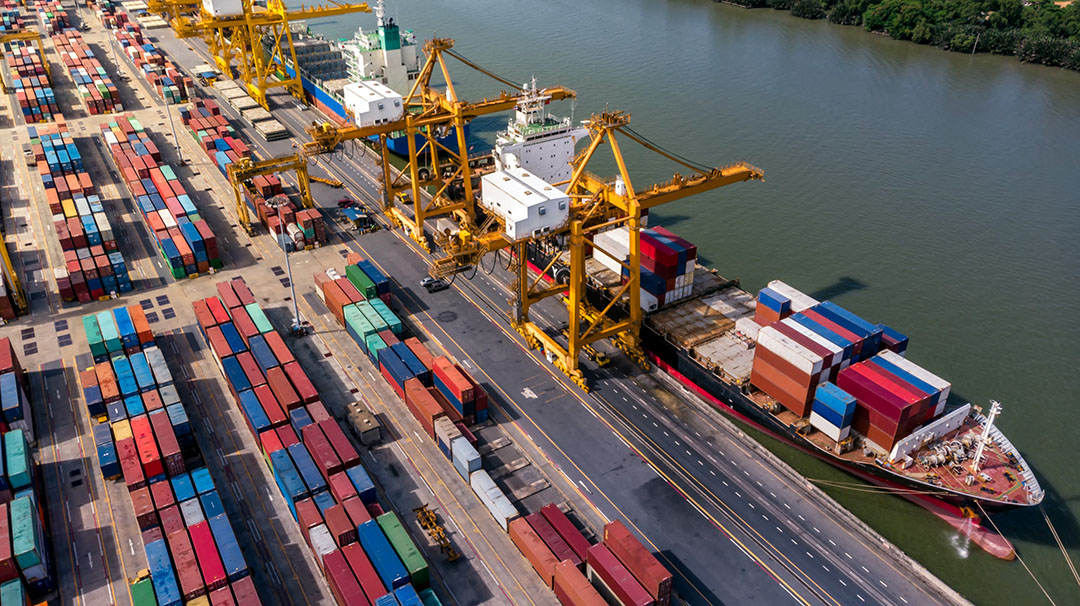
East and Gulf Coast port workers walked off the job at midnight on October 1, shutting down port terminals from Maine to Texas and disrupting critical domestic and international logistics hubs after negotiations between the USMX and ILA members failed to reach a new master contract agreement.
Key Details of the Situation:
- The strike impacts container shipments across 36 ports, blocking vital logistics routes from Maine to Texas.
- Analysts warn the strike could cost the U.S. economy $5 billion per day and heighten risks of job losses and inflation.
- The ILA rejected USMX’s final proposal on Monday, citing insufficient pay increases and demands to halt port automation projects.
- Major container operators like Maersk have introduced surcharges on cargo moving through affected ports, ranging from $1,500 to $3,780 per container.
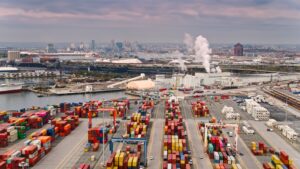
- To provide perspective, nearly 100,000 containers in New York City/New Jersey-area ports (The ILA’s largest East Coast port operations) are waiting to be unloaded, and an additional 35 container ships are headed to New York over the coming week.
- Alternative plans to reroute shipments to West Coast and Canadian ports are underway, but congestion and delays are expected to ripple across the supply chain.
- If the government does not step in during the next seven days, the cargo flow disruption could last into January.
- Making matters worse, the two largest ports in Montreal remain on strike until Thursday morning, complicating contingency plans for East Coast shippers.
Potential Impacts on Your Supply Chain:
The ongoing ILA strike could significantly disrupt your supply chain, with key effects including:
- Port Congestion & Delays: Expect significant delays for shipments bound for East Coast and Gulf ports, leading to congestion at alternative ports.
- Rerouting Challenges: As ocean carriers attempt to divert shipments to avoid impacted ports, expect an increase in transit times and a higher volume of shipments through West Coast and Canadian ports.
- Supply Chain Bottlenecks: Extended wait times, shipment rerouting, and increased demand for alternative ports could create bottlenecks, particularly for time-sensitive or high-priority goods.
- Increased Costs: Rerouting and increased demand for alternative modes of transport may drive up logistics costs, including freight rates and storage fees.
- Effects on Peak Season Logistics: Disruptions may cause delays and bottlenecks, impacting the efficiency of peak season operations.
- Broader Disruptions: The impact may extend beyond the U.S., affecting global supply chains and creating delays in international trade routes.
Planning for these disruptions is critical to minimizing the impact on your operations.
Preparing for Disruptions
In light of the current disruptions, it is essential to anticipate potential delays, increased logistics costs, and rerouting of shipments. You should consider the following actions:
- Assessing stock levels and identifying critical items at risk of delay
- Preparing for longer transit times, adjustments in delivery schedules or changes in delivery locations
- Considering air freight for urgent shipments
- Exploring alternative transportation options to minimize impacts on your supply chain
- Delaying shipping ocean freight from your port of origin until after the strike
- Preparing for significant congestion at U.S. West Coast ports
- Recognizing that freight in transit to East and Gulf Coast ports will be drastically delayed
- Understanding that options to redirect freight via Canada and Mexico may be limited
- Expecting higher costs through this event due to capacity pricing and fees
- Reviewing Incoterms and financial responsibilities for of potential charges
- Staying Informed and Connected: Our customer service team is available 24/7 to address any concerns and provide detailed guidance on your shipments.
Our Commitment to You
At EFW, we are closely monitoring the situation and have taken proactive measures to mitigate potential disruptions:
- Exploring Alternative Routes: We are coordinating with our carrier partners to identify alternative routes and rerouting options to keep your supply chain as uninterrupted as possible.
- Prioritizing Critical Shipments: For high-priority shipments, we will work to ensure that goods are prioritized and expedited wherever feasible.
- Enhanced Communication: Our team will provide timely updates on shipment statuses, port conditions, and the latest developments to ensure you have full visibility into your supply chain.
We understand the challenges posed by these disruptions and remain committed to assisting you through this period. Should you have any questions or require further assistance, please don’t hesitate to reach out to your dedicated account manager or our customer service team.