As the January 15 deadline for negotiations draws closer, the potential for another East Coast port strike continues to raise concerns across industries. Recent comments from President-elect Trump have added another dimension to the already tense standoff between the International Longshoremen’s Association (ILA) and port management.
Technology: The Central Sticking Point
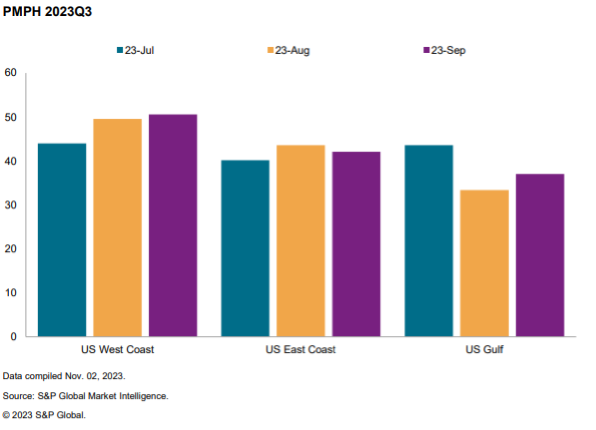
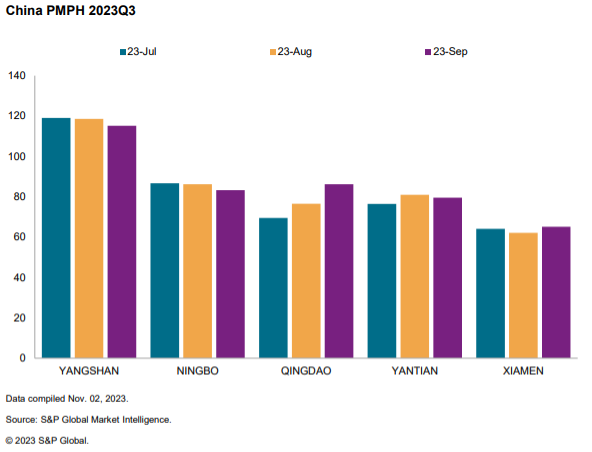
The ILA remains firm in its opposition to automation, citing concerns over job security and the long-term impact on port workers. Management, however, argues that modernization is essential to remain competitive in a global market. U.S. East Coast ports face persistent challenges, ranking among the world’s least efficient and most expensive. Management recently reiterated, “Modernization and investment in new technology are core priorities required to successfully bargain a new master contract with the ILA.”
President Trump’s Recent Comments
Over the weekend, President-elect Trump shared remarks supporting the ILA’s efforts to protect American jobs, emphasizing the need for fair treatment of workers amidst growing profits in the shipping industry. His comments focused on prioritizing domestic employment while acknowledging the complexities of balancing labor interests with the broader economic landscape.
This nuanced position highlights the challenges facing both sides in the negotiations. While Trump’s pro-worker stance lends credibility to the ILA’s concerns, the broader conversation around modernization and efficiency remains critical. The incoming administration’s approach to these issues will be closely watched as the January 15 deadline approaches.
Potential Fallout: A Broader Impact
If no resolution is reached, a strike could shut down ports from Maine to Texas, disrupting supply chains and trade across the nation. Without government intervention, businesses reliant on East Coast ports may face delays, added costs, and logistical headaches. The decision of the incoming administration to step in—or not—could shape the outcome of this labor standoff.
The stakes remain high as both sides continue to adopt hardline positions. Management’s insistence on technology and the ILA’s commitment to protecting jobs appear to be irreconcilable without significant compromise. The coming weeks will determine whether U.S. ports can avoid another disruption that could ripple across the economy.
This story is developing. Check back for updates as the situation evolves.