
The importance of understanding the logistics of conferences and trade shows has increased exponentially post-COVID, as this industry was among the hardest hit. In fact, the trade show industry lost approximately 1.5 million staff as more than 10,000 events were canceled in 2020 at the height of COVID. With event cancellations leading to layoffs and the departure of senior-level employees — many of whom sought employment in other industries and have not returned — trade show staffing has still not fully recovered from a quality perspective.
Many trade show organizers saw employees with the most experience leave the industry, and they have been replaced by personnel who do not yet fully understand the nuances associated with shipping and delivering materials, making it critical for companies to understand how to advocate for themselves to protect their trade show investments and ensure that everything goes smoothly.
For companies planning for upcoming trade shows, EFW Senior Vice President of Trade Shows Ernie Magalotti offers a number of tips to help make sure companies know the right questions to ask when planning their trade show shipments to help them get the most from their investments.
Plan Properly for Shipment Drayage
Any company looking to exhibit at a trade show will spend a great deal of time and money, so it’s important to be sure everything goes off without a hitch. Once materials leave a company’s doors, it’s critical to understand the deadlines for delivering materials, where they need to be delivered, and to ensure no mistakes are made.
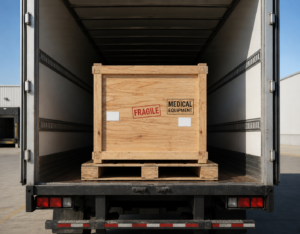
According to Magalotti, one of the most common mistakes made by shippers is omission of the weight of a shipment on the bill of lading, which presents huge problems because the weight serves as the basis for how they are charged. Because the shipment materials will be moved and handled by carriers and/or event organizers — known as drayage — working with a trusted partner can help ensure no damage occurs and that everything arrives as planned and without any questions around how much they should be charged.
Work With the Right Partners, and Hold Them Accountable
While the marketing team is often responsible for arranging trade show shipments, it’s important to coordinate with the shipping managers to make sure they understand that mistakes are not an option. While shipping costs only account for around 10% of the overall cost of attending and presenting at a trade show, this relatively small aspect can ruin the entire investment if it isn’t managed properly. Magalotti notes that while the best carriers have 95% success rates, this simply isn’t good enough to ensure a successful trade show 100% of the time.
Many marketing teams may opt to allow event warehousing teams to make decisions about their shipments, but taking a more active role can help to ensure that everything arrives safely and on time. This begins with making sure that shipping managers have people in place who understand the challenges of trade show shipping and how to avoid them, and partnering with a transportation provider that understands that failure is not an option.
A Trusted Logistics Partner Is Invested in Your Success
When it comes to preparing for trade shows, the investment is worth taking extra steps to protect it, and working with a logistics partner that is skilled in navigating the complexities of trade show shipments and deliveries is a great first step. EFW provides dedicated services specifically for trade show exhibitors and can help ensure your investment is protected from the start.
With a network of transportation and storage providers, 24/7 support, shipment tracking, and on-site representation at the country’s largest events, EFW understands what it takes to make a trade show successful and can partner with your organization to make sure you get the most return for these critical investments.
Click here to learn how EFW can partner with your organization to streamline your trade show shipments and operations.