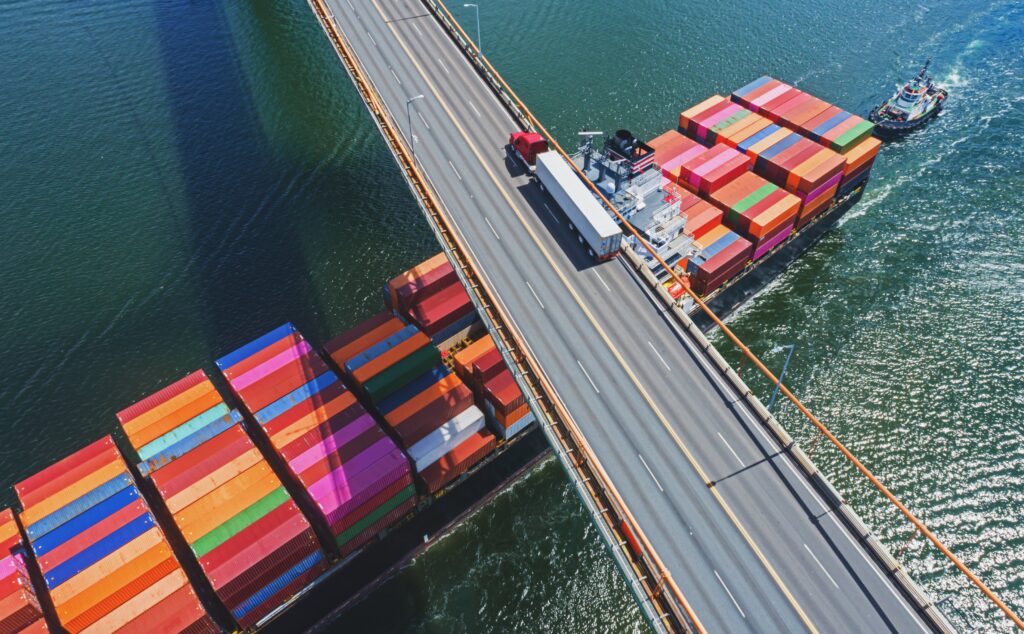

Freight forwarding plays a critical role in supply chains and global trade as a whole, and with 2025 now upon us, a number of political and economic changes may bring about uncertainty in how supply chains operate. Looming tariffs will likely impact shipping routes and lead to reshoring efforts, and supply chain optimization will be a key area of focus for shippers and freight forwarders as they look to navigate the impending changes while maintaining profitability.
A number of factors will shape the future of freight forwarding in 2025 and beyond. To help keep supply chains moving seamlessly amid inevitable disruption, below are five key trends that shippers and freight forwarders can monitor to stay ahead of the curve.
AI and Digital Transformation
The most successful freight forwarders have the ability to remain nimble and flexible in order to react and adapt to supply chain disruptions, and AI is playing an increasingly critical role in their ability to respond when shifts occur. A study by Accenture revealed that nearly 30% of supply chain executives are planning to utilize AI to overhaul their supply chain operations.
From automating manual tasks and processing documentation to improving demand forecasting, route optimization, tracking, and even the customer experience, AI has moved the industry ahead at lightning speed and given teams the freedom to focus on the tasks that matter while removing the guesswork and reducing errors.
Particularly in light of new tariffs — which, in turn, will likely change where shippers source many goods and materials and how they are shipped — AI and digitalization will continue to be an important area of focus to help shippers and freight forwarders navigate any new disruptions.
Data-Powered Intelligence
Data will also continue to be a key piece of the supply chain puzzle, as real-time insights will provide the intelligence needed in order to make informed decisions and make adjustments as needed. Companies that are able to see demand patterns and shifts in real time can better optimize and/or consolidate shipments, identify the most profitable routes, and alter their strategies as market shifts occur.
Customer Experience as a Priority
Maintaining a focus on the customer will be a powerful differentiator for freight forwarders as they look to navigate impending changes this year. Those that are able to support their customers through reliable service and visibility will build trust, loyalty, and retention. By understanding their customers’ needs and creating customized solutions to meet them, freight forwarders have an opportunity to shine for their shipper customers and prospects, especially as they navigate upcoming uncertainty and disruption. For shippers, identifying freight forwarders that prioritize their needs will be key to establishing trusted partnerships and reliable service.
A Focus on Sustainability
Creating greener supply chains will continue to be a focus for many shippers, which will extend to freight forwarders as well in order to help them reduce their carbon footprint. While many shippers view sustainability as an environmental concern and area of corporate responsibility, recent legislation and regulations are also holding them accountable, making it critical for freight forwarders to ensure they are effectively planning shipping routes for maximum efficiency, reduced waste, and lower fuel consumption.
Adapting to Market Conditions
Supply chain disruptions — both anticipated and unexpected — are an ever-present reality for all shippers and freight forwarders, but they do not have to halt operations altogether. Having a reliable capacity network and real-time data can help identify potential bottlenecks as early as possible so that shipments can be planned or rerouted accordingly, helping to avoid costly delays. Working with a trusted freight forwarder can help to ensure that shipments arrive on time and that any potential disruptions have a minimal impact on supply chain operations.
Preparing for What Lies Ahead
In times of uncertainty, the ability to react to market conditions and keep supply chains running smoothly will be of the utmost importance, but being able to anticipate disruptions before they occur will be what separates the winners from the rest of the pack. Monitoring market trends, using AI and technology to streamline operations, and maintaining a focus on the customer will help to create better efficiency and ensure that partnerships and customer relationships stand the test of time, even during periods of disruption.
Click here to learn how EFW’s freight forwarding solutions can help streamline your supply chain operations.